
How to Play Pool Rummy: A Master Guide to 101 & 201 Rules
Today Size
23.88MBVersion
Latest Requirements
Android Downloads
759285+Get it on

Description
Mastering Pool Rummy: Your Ultimate Guide to 101 and 201 Variants
If you love the thrill of long-format card games, Pool Rummy is likely your go-to. Unlike Points Rummy, which ends in minutes, Pool Rummy is a test of endurance, strategy, and mental grit.
In this guide, we’ll break down everything you need to know about 101 Pool Rummy and 201 Pool Rummy, from basic setup to advanced tactics that will keep your score low and your winnings high.
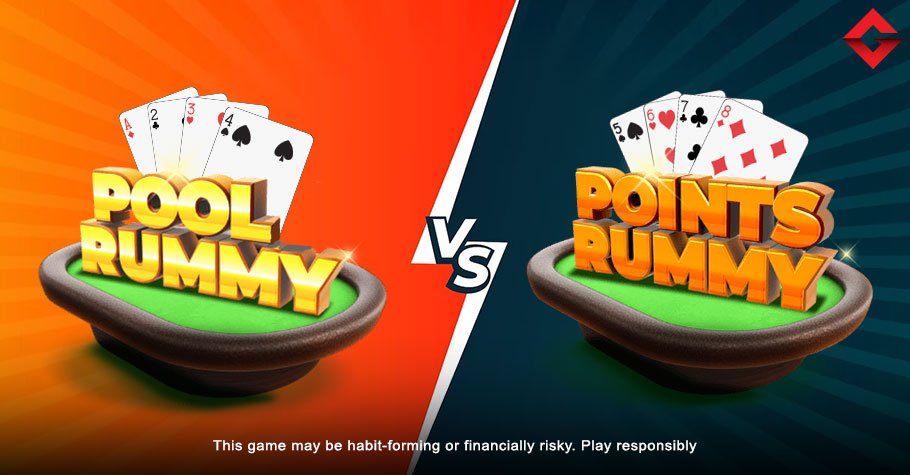
What is Pool Rummy?
Pool Rummy is a popular variant of 13-card Indian Rummy. The goal is simple: have the lowest score at the end of the game. Players are eliminated once their accumulated points cross a specific “pool” limit—usually 101 or 201.
The last player remaining on the table after everyone else has been “knocked out” is the winner.
The Key Differences: 101 vs. 201 Pool Rummy
While the gameplay remains the same, the endurance level varies:
| Feature | 101 Pool Rummy | 201 Pool Rummy |
| Elimination Limit | 101 Points | 201 Points |
| Game Duration | Medium (Quick rounds) | Long (High endurance) |
| Risk Level | High (Less room for error) | Moderate (More recovery time) |
| Strategy Focus | Tight play from the start | Long-term point management |
How to Play: The Rules of the Game
To win at Pool Rummy, you must understand the foundation of a valid show. The game is played with two decks of cards (including Jokers).
1. The Objective
Arrange your 13 cards into valid Sequences and Sets. To make a valid declaration, you must have:
- At least two sequences, one of which must be a Pure Sequence (no Jokers).
- The remaining cards can be arranged in sets or sequences.
2. Scoring in Pool Rummy
In this game, cards carry the following point values:
- Face Cards (A, K, Q, J): 10 points each.
- Numbered Cards: Points equal to their face value (e.g., 5 of Hearts = 5 points).
- Jokers: 0 points.
Pro Tip: If you declare a valid hand, you get 0 points for that round. Your opponents’ points are calculated based on their unarranged cards.
The Art of the “Drop”

Knowing when to quit is just as important as knowing how to play. In Pool Rummy, you can “drop” out of a round to minimize point damage.
- First Drop: Dropping before picking your first card.
- 101 Pool: 20 points | 201 Pool: 25 points.
- Middle Drop: Dropping any time after your first turn.
- 101 Pool: 40 points | 201 Pool: 50 points.
- Full Count: If an opponent finishes and you have no sequences, you get the maximum penalty (80 points).
Winning Strategies for Pool Rummy
Prioritize the Pure Sequence
Without a pure sequence, your total points will be the sum of all cards in your hand. Always focus on building your pure sequence (e.g., 5♠-6♠-7♠) in the first few turns.
Discard High-Value Cards
Holding onto Unmatched Kings, Queens, and Aces is risky. If an opponent declares early, these cards will bloat your score. Unless they are part of a sequence, get rid of them early.
Watch Your Opponents
Pay attention to what your opponents pick from the open deck. If they pick a 7♥, avoid discarding cards like 6♥ or 8♥.
Internal & External Links
- Internal: [Check out our guide on Indian Rummy variants for beginners.]
- External: View the official International Rummy Federation guidelines for tournament play.
Frequently Asked Questions (FAQ)
Q: What happens if I reach 101 points in 101 Pool Rummy?
A: Once you reach or exceed 101 points, you are eliminated from the game. However, some platforms allow a “Re-buy” option if the highest score among active players is below a certain threshold.
Q: Can I use two Jokers in one sequence?
A: Yes, you can use one or more Jokers to complete an Impure Sequence or a Set, provided you already have one Pure Sequence elsewhere in your hand.
Q: Is there a maximum cap on points per round?
A: Yes, the maximum points you can lose in a single round is capped at 80 points, even if the sum of your cards is higher.
Q: Which is better for beginners, 101 or 201?
A: 101 Pool Rummy is generally better for beginners as the games are faster. 201 requires more patience and long-term calculation.